Effective Techniques for Drain Cleaning at Home
Clogged drains can be a frustrating issue for homeowners. If you’re tired of dealing with drain clogs, there are effective techniques that can help. This article will cover methods such as using baking soda and vinegar, hot water treatments, and employing a plumbing snake for tougher blockages. By understanding these practical solutions, readers can maintain their drains more efficiently and potentially avoid the need for a drain cleaning company. Learn how these strategies can keep your plumbing system functioning smoothly and prevent costly sewer line cleanouts in the future.
Utilize Baking Soda and Vinegar for Effective Drain Cleaning
Gather baking soda and vinegar to effectively tackle drain backups. First, pour baking soda down the affected drain to initiate the reaction. Following this, add vinegar and allow it to fizz for optimal effect. Afterward, flush with hot water to clear any remaining debris. For stubborn clogs, this method may need to be repeated. Regular use of this technique can help maintain clear sewer lines and reduce the need for professional drain services.
Gather Your Baking Soda and Vinegar Ingredients for Cleaning
To effectively unclog a drain using baking soda and vinegar, it is essential to first gather the right ingredients. Standard household baking soda and vinegar are all that is needed. This blend works particularly well to break down build-up caused by fat and other debris that can lead to blockages, providing an excellent method for drain unclogging without the need for harsh chemicals. If simple solutions like this do not resolve the issue, it may be time to schedule an appointment with a plumbing professional to further investigate any potential leaks or other concerns in the drainage system.
Pour Baking Soda Down the Drain to Initiate the Reaction
To initiate the drain cleaning process effectively, pour a generous amount of baking soda down the affected drain. This simple step not only targets clogs but also serves as an excellent preventive measure against future blockages in areas like the shower or urinal. Should stubborn build-up persist, homeowners might consider seeking hydrojet plumbing near them or utilizing a hand tool for deeper clogs, particularly in urgent drain situations that may require emergency service.
Follow With Vinegar and Let It Fizz for Optimal Effect
After pouring the baking soda down the drain, the next crucial step involves adding vinegar to create an effective cleaning reaction. Homeowners should ideally use a standard vinegar solution, allowing it to fizz for several minutes, which helps break down debris clogs often found in basements. If the issue persists even after this simple method, it may be wise to consider contacting a plumber to unclog the drain, or seek a 24-hour drain service for more persistent blockages that require professional inspection and a drain clearing service.
Flush With Hot Water to Clear Any Remaining Debris
After allowing the baking soda and vinegar to work together and create a chemical reaction, flushing the drain with hot water is vital to successfully clear any remaining debris. This method not only helps to wash away loosened particles but also neutralizes odors that may linger near floor drains or sump pumps. By introducing hot water, which acts as an acid, it can effectively dissolve any stubborn material, ensuring that the drain remains free-flowing and reducing the chances of future backups.
Repeat as Necessary for Stubborn Clogs
Stubborn clogs can be frustrating, and repeating the baking soda and vinegar method may be necessary for a complete resolution. If multiple attempts do not yield results, homeowners in Columbus should consider consulting drain specialists or a professional drain cleaner for further assistance. Additionally, searching for “septic tank pumping near me” or “septic tank cleaning near me” might offer valuable options for more serious drainage issues that require specialized attention.
Maintain Drains by Using This Method Regularly
Regularly using the baking soda and vinegar method is essential for maintaining clear drains and preventing clogs in the main line. This simple technique not only tackles minor blockages but also acts as a preventive measure against buildup that may require the expertise of a blocked drain plumber. By incorporating this practice into routine home care, homeowners can reduce reliance on commercial drain cleaners and keep their plumbing systems running smoothly.
Implement Boiling Water Techniques for Simple Drain Hygiene
Boiling water serves as a straightforward technique for maintaining drain hygiene. Homeowners can easily boil water thoroughly in a pot or kettle, then pour it directly into the clogged drain. Allow the water to act on the blockage for a few minutes, repeating the process if needed for persistent clogs. Regular use of this method can help prevent future issues and ensure efficient drain flow. After treatment, it is advisable to check the drain flow’s effectiveness, and if problems persist, scheduling online with a drain plumber may be necessary. This technique is beneficial and a practical alternative before considering emergency services.
Boil Water Thoroughly in a Pot or Kettle
Boiling water is an effective method for maintaining drainage systems and preventing clogs. By thoroughly boiling water in a pot or kettle, homeowners can pour it directly into the drain to help dissolve grease, soap scum, and other debris that often lead to blockages. Regularly using this straightforward technique can reduce the need for a drain unblocker near me or more intensive cleaning service solutions, providing a practical way to ensure sewage flows smoothly.
Pour Boiling Water Directly Into the Clogged Drain
Pouring boiling water directly into a clogged drain is an effective method for enhancing drain hygiene at home. This straightforward approach can help dissolve grease and soap scum buildup, ensuring the plumbing services used for maintenance remain efficient. Homeowners can easily integrate this technique into their routine, reducing reliance on a vacuum or other mechanical solutions while keeping their drain clear and functioning like a well-maintained home appliance.
Allow Water to Work on the Blockage for a Few Minutes
Allowing boiling water to sit in the clogged drain for a few minutes can significantly aid in breaking down stubborn blockages. This process helps to transport debris and grease, effectively mitigating potential corrosion within the sewer line. If the issue persists despite the boiling water treatment, consulting a clogged drain plumber may be necessary for more extensive emergency drain cleaning services to ensure the plumbing system functions optimally.
Repeat the Process if Needed for Persistent Blockages
For persistent blockages in the sewer drain, it may be necessary to repeat the boiling water technique multiple times. Each application helps to gradually dissolve hardened grease and debris that can accumulate over time. Homeowners should remain vigilant and consider professional cleaning services if multiple attempts do not yield a clear drain, as underlying issues may require more advanced solutions, such as specialized cables or equipment to achieve effective drainage.
Use This Technique as a Preventive Measure Regularly
Using boiling water regularly as a preventive measure can significantly reduce the risk of clogs in bathroom drains and sewer lines. By pouring boiling water down the drain weekly, homeowners can help dissolve grease and debris before they accumulate, maintaining a clear path for water flow. If persistent issues arise, it may be beneficial to call John for professional sewer drain cleaning, ensuring a thorough and effective solution to any drainage problems.
Check Drain Flow After Treatment to Ensure Effectiveness
After applying the boiling water treatment, it is vital for homeowners to check the drain flow to confirm the effectiveness of the method. Observing whether water drains smoothly can help identify if further action is needed, such as seeking assistance from a sewer cleaning company for an assessment. In cases where the issue persists, it might indicate a deeper problem requiring more specialized services, such as septic tank maintenance or a clogged drain service, ensuring the plumbing remains efficient and reliable for the customer.
Utilize a Plunger for Quick Drain Unclogging
Selecting the appropriate plunger for kitchen or bathroom drains is vital for effective drain cleaning. Ensuring a proper seal over the drain enhances suction, allowing for better results. By pushing down and pulling up on the plunger several times, homeowners can effectively clear clogs. After plunging, checking the drain flow helps assess improvement. Repeating the process as needed can fully clear the drain. Staying prepared with a plunger on hand for emergencies can prevent reliance on chemical substances or costly sewer cleaning services.
Select the Right Plunger for Kitchen or Bathroom Drains
Selecting the right plunger is essential for effectively tackling clogs in kitchen or bathroom drains. A cup plunger, with its rubber suction cup, is particularly suited for flat surfaces found in sinks and tubs, providing a reliable seal to create maximum suction. For more substantial clogs linked to the main sewer system, a flange plunger may be more efficient given its extended design, which can easily navigate deeper drains, ensuring that dirt and other debris are effectively removed without the need for harsh chemical drain cleaners.
Create a Proper Seal Over the Drain for Effective Suction
Creating a proper seal over the drain is essential for using a plunger effectively. This enables maximum suction, which helps dislodge stubborn clogs caused by debris or grease. When dealing with blockages near a grease trap, ensuring the plunger‘s rubber cup fits tightly against the drain can help avoid the need for more expensive solutions like hydrojet plumbing or consultations regarding roto rooter hydro jetting cost, ultimately making drain cleaning more efficient and manageable at home.
Push Down and Pull Up on the Plunger Several Times
To effectively unclog a drain, homeowners can push down and pull up on the plunger several times to create pressure that dislodges debris. This action allows the plunger to effectively form a seal, maximizing suction to clear blockages, which may build up over time due to grease or other materials. If clogs persist, it may signal a deeper issue within the sanitary sewer system or plumbing connected to essential appliances, such as a water heater or HVAC system, necessitating professional assistance.
Check Drain Flow After Plunging to Assess Improvement
After using a plunger, it is crucial for homeowners to check the drain flow to determine if the blockage has been effectively cleared. Observing the water’s drainage speed can indicate whether further action is necessary; if the flow remains slow, considering additional methods such as hydro jetting or scheduling septic tank pumping may be required. Consistent monitoring of drain performance not only assists in preventing future clogs but also enhances the efficiency of the plumbing system, ensuring that all components, including the sewer cleanout, function as intended.
Repeat as Needed Until the Drain Clears
Homeowners should be prepared to repeat the plunging process as necessary until the drain clears completely. Clogs often involve soap residues or metal shavings that may require multiple attempts to dislodge effectively. It is advisable to wear personal protective equipment during this process to avoid contact with any potential contaminants. If repeated attempts do not succeed, considering a professional cleaner with more advanced tools might be necessary to ensure proper functioning of the drain lines.
Always Keep a Plunger Handy for Emergencies
Maintaining a plunger in the home is a simple yet effective measure for addressing unexpected drain issues quickly. This essential tool allows homeowners to tackle minor clogs before they escalate into emergencies requiring more intensive drain cleaning services. In situations where a plunger alone cannot clear the blockage, residents might consider searching for a “drain service near me” or exploring options like rooter and cable services for more complex drain challenges.
Explore Chemical Drain Cleaners With Caution
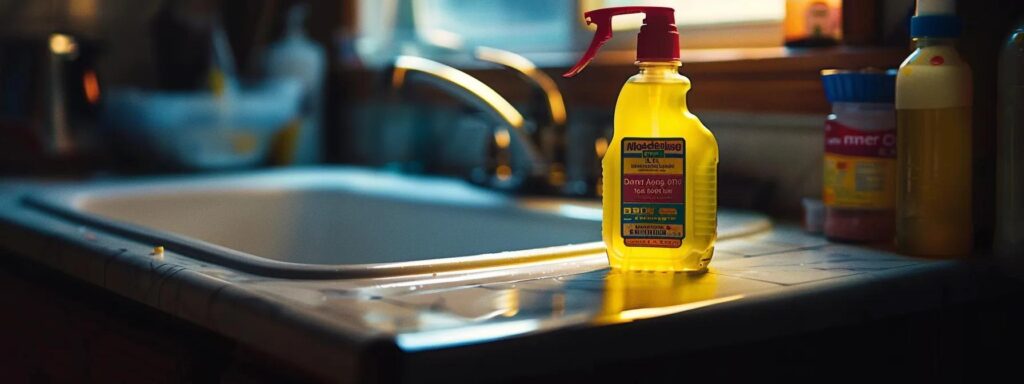
Understanding the types of chemical cleaners available is crucial for effective plumbing drain cleaning. Homeowners should read labels carefully for safety guidelines and usage instructions. Wearing protective gear is recommended when handling harsh chemicals to prevent injury. Following the application directions ensures optimal results, followed by flushing the drains with water post-treatment. Lastly, considering environmental impacts is important before using chemicals in emergency drain situations.
Understand the Types of Chemical Cleaners Available
Homeowners should be aware of the various types of chemical cleaners available for tackling drain issues. These chemicals usually fall into three categories: caustic, acidic, and enzymatic cleaners. It’s essential to choose the right product based on the nature of the blockage; for instance, caustic cleaners can effectively clear grease-related clogs in kitchen sinks, while acidic ones are often better suited for mineral buildup in bathtubs. Understanding these options can help homeowners address issues before they escalate to more serious problems, such as a sewer backup, and may reduce the need for a clogged drain plumber near me or sewer cleaning near me services in the long run.
Read Labels for Safety Guidelines and Usage Instructions
Reading labels for safety guidelines and usage instructions is essential when using chemical drain cleaners. Homeowners need to understand how these products interact with materials like toilet paper and food particles, which can accumulate in sink and drain lines. Following the directions on the label ensures effective results while protecting against potential hazards; for example, using the right amount can prevent damage to pipes and reduce the risk of needing a drain rooter service. Additionally, many brands offer coupons, making it easier to select safer, environmentally friendly options that are effective without compromising safety.
Wear Protective Gear When Handling Harsh Chemicals
Wearing protective gear is essential when handling harsh chemicals for drain cleaning, as these substances can cause skin irritation or respiratory issues if mishandled. Homeowners should utilize gloves, goggles, and masks to safeguard against potential hazards, particularly when dealing with sewage systems that may involve backflow or exposure to contaminated water. Taking these precautions not only ensures personal safety but also enhances the effectiveness of sewer line cleaning, allowing homeowners to address clogged drains responsibly and effectively without risking harm to themselves or their plumbing fixtures.
Apply the Cleaner as Directed for Effective Results
When using chemical drain cleaners, applying the product as directed is essential for achieving effective results in drain unblocking. Homeowners should carefully follow the manufacturer’s instructions to ensure the cleaner effectively targets clogged drains without risking damage to plumbing systems. For severe cases, such as main drain clean outs, it may be beneficial to consult a professional who can provide insights into financing options for more extensive repairs, ensuring that issues are resolved without further complication.
Flush the Drain With Water After Treatment
After applying a chemical drain cleaner, consistently flushing the drain with water is essential for effective drain maintenance. This step helps wash away residual chemicals, ensuring that they do not negatively impact soil or plumbing systems. Homeowners in New York City may also want to consider scheduling professional drain cleaning if issues persist, as relying solely on chemical methods can sometimes lead to product recalls due to safety concerns or inefficacy against severe blockages.
Consider Environmental Impacts Before Using Chemicals
Considering the environmental impacts of chemical drain cleaners is crucial for homeowners. Many of these products can negatively affect stormwater systems, leading to contaminated waterways and harming local ecosystems. Furthermore, residues from these cleaners can accumulate in plumbing systems, impacting appliances like the dishwasher and requiring HVAC technicians to address possible issues resulting from harsh chemicals in the system. By prioritizing eco-friendly options, individuals can help protect their surroundings while effectively maintaining their drains.
Employ a Plumbing Snake for Tough Blockages

A plumbing snake serves as an effective tool for tackling tough blockages in drains. Homeowners should select an appropriate snake for their needs and learn to insert and twist it within the drain to dislodge debris. Extending the snake helps reach deeper clogs, and after withdrawal, clearing any caught debris is crucial. Testing drain flow afterwards ensures success, and maintaining easy access to the plumbing snake prepares homeowners for future issues.
Select an Appropriate Plumbing Snake for Your Needs
Selecting the right plumbing snake is essential for effectively addressing tough blockages in home drains. Homeowners should consider both the size and type of snake, as a standard drain auger is well-suited for smaller clogs in sinks, while a toilet auger is specifically designed to navigate the unique bends of toilet drains. By choosing the appropriate tool, individuals can tackle blockages more efficiently, reducing the potential for further plumbing issues and avoiding costly professional interventions.
Insert the Snake Into the Drain and Twist to Dislodge Debris
To effectively tackle tough blockages using a plumbing snake, homeowners should carefully insert the snake into the drain, applying gentle pressure. As the snake progresses deeper into the pipe, twisting it can help dislodge debris that may be stuck, such as hair, grease, or foreign objects. This method not only clears the current blockage but also aids in maintaining optimal flow within the drain system, preventing future issues.
Extend the Snake to Reach Deeper Clogs Effectively
To effectively address deeper clogs, extending the plumbing snake is essential. Homeowners should carefully feed the snake further down the drain while twisting it to ensure it navigates bends and reaches lodged debris. This technique allows for the thorough removal of blockages, helping to restore proper drainage and avoid costly plumbing repairs in the future.
Withdraw the Snake and Clear Any Caught Debris
After using a plumbing snake to tackle tough blockages, it is vital for homeowners to withdraw the tool carefully and clear any caught debris. This step ensures that any dislodged material, such as hair or grease, does not settle back into the pipe, which could lead to future clogs. By inspecting the end of the snake and removing any trapped debris, homeowners can help maintain optimal flow in their drains, significantly reducing the risk of recurring issues.
Test Drain Flow After Using the Snake for Clogs
After utilizing a plumbing snake to tackle tough blockages, it is essential for homeowners to test the drain flow to ensure successful clearance. Running water down the drain will reveal whether the blockage has been effectively removed, allowing for a smooth passage of water. If the water still drains slowly, it may indicate that further action is necessary, such as repeated snaking or consulting with a professional to address deeper issues.
Keep the Plumbing Snake Accessible for Future Issues
Keeping a plumbing snake readily accessible is a smart move for homeowners facing recurring drain issues. By designating a specific storage spot in a utility closet or basement, homeowners can quickly reach for this essential tool during emergencies, minimizing the time spent resolving clogs. Regularly checking the condition of the plumbing snake ensures it remains in good shape, ready to tackle tough blockages effectively, thereby enhancing overall drain maintenance and preventing more significant plumbing problems down the line.
Schedule Regular Drain Maintenance to Prevent Issues
Creating a routine cleaning schedule for drains is crucial for effective home maintenance. Homeowners should identify common problem areas in their plumbing systems, utilize preventive methods like monthly enzyme cleaners, and inspect drains periodically for early signs of clogs. Educating household members on proper disposal practices and keeping detailed records of drain maintenance activities helps track progress and ensures long-term efficiency.
Create a Routine Cleaning Schedule for Your Drains
Creating a routine cleaning schedule for drains is essential for maintaining a healthy plumbing system in any home. Homeowners should consider inspecting their drains monthly and using preventive measures such as enzyme cleaners to break down buildup before blockages occur. By tracking these activities and educating family members on proper waste disposal, individuals can significantly reduce the risk of clogs and extend the lifespan of their drainage systems.
Identify Common Problem Areas in Your Plumbing System
Homeowners should focus on identifying common problem areas in their plumbing systems to effectively prevent drain issues. Areas such as kitchen sinks, bathroom drains, and laundry drains often accumulate hair, grease, soap scum, and food particles that can quickly lead to clogs. By regularly inspecting these hotspots and implementing preventive measures, such as using strainers and following proper disposal practices, residents can significantly reduce the likelihood of experiencing severe drainage problems in the future.
Use Preventive Methods Like Enzyme Cleaners Monthly
Using enzyme cleaners monthly is an effective preventive method for maintaining clear drains and reducing the buildup of organic materials. These cleaners work by breaking down grease, hair, and food particles, helping to keep plumbing systems functioning smoothly without the need for harsh chemicals. Homeowners who incorporate enzyme cleaners into their regular maintenance routine can prevent clogs from developing, ensuring peace of mind and minimizing the risk of costly plumbing emergencies.
Inspect Drains Periodically for Early Signs of Clogs
Regularly inspecting drains for early signs of clogs is essential in keeping plumbing systems functioning properly. Homeowners should look for slow drainage, gurgling sounds, or unpleasant odors, as these can indicate potential blockages. Taking proactive steps, such as using a flashlight to check under sinks or visually assessing shower and tub drains, can prevent minor issues from escalating into costly plumbing problems.
Educate Household Members on Proper Disposal Practices
Educating household members about proper disposal practices is a vital step in preventing clogs and ensuring effective drain maintenance. For instance, individuals should be made aware that items like grease, coffee grounds, and large food scraps should never be thrown down the sink. Providing clear instructions on disposing of these materials in the trash can significantly reduce the risk of drain blockages, promoting efficient plumbing performance and lessening the likelihood of costly plumbing interventions in the future.
Keep Records of Drain Maintenance Activities for Tracking
Keeping detailed records of drain maintenance activities is vital for homeowners aiming to prevent plumbing issues. By documenting actions such as cleaning, inspections, and treatments, individuals can identify patterns in their plumbing system’s performance over time. This systematic approach not only enhances understanding of when and where problems may arise but also helps determine the best preventive measures, ultimately reducing the likelihood of costly drain blockages and the need for professional plumbing services.
Conclusion
Effective techniques for drain cleaning at home play a crucial role in maintaining a functional plumbing system. Regularly employing methods such as baking soda and vinegar, boiling water, or using a plunger can prevent minor issues from escalating into costly repairs. Homeowners should stay proactive by creating a maintenance routine and educating household members on proper disposal practices. Prioritizing these actionable insights ensures that drains remain clear, enhancing overall household hygiene and efficiency.